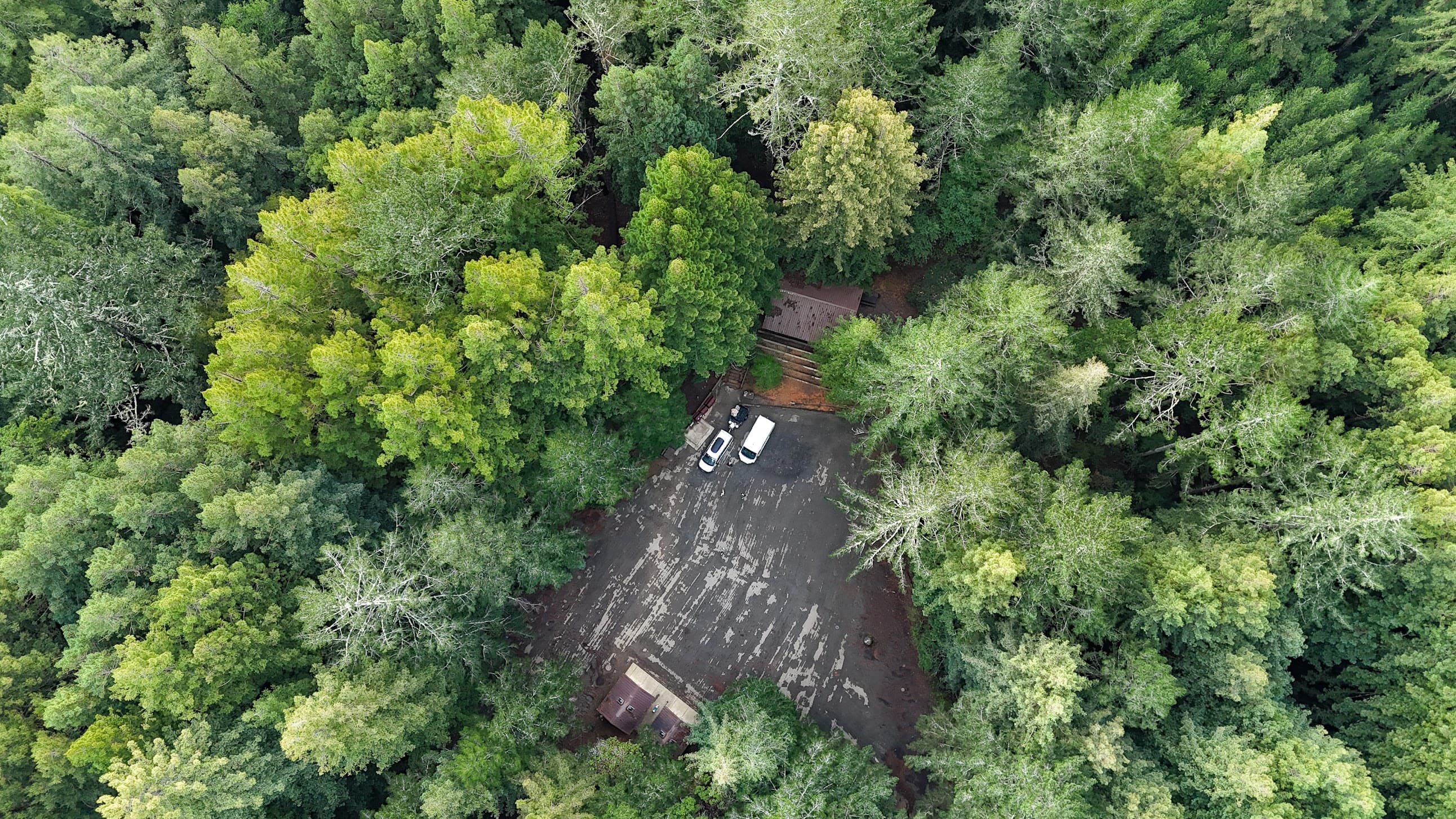
Public Lands Are Public Health
The best answer we have for loneliness, anxiety, and disconnection is already built, already funded, and largely out of reach for the families who need it most
We are in a health crisis driven by disconnection. The Surgeon General has declared loneliness an epidemic. Youth mental health is in freefall. And the answer is sitting right in front of us, publicly funded and distributed across the nation. Nature.
"We need to build a civic infrastructure for a shared life where people encounter one another... in public parks and recreation areas. The inadvertent class mixing can create habits, attitudes, dispositions, that remind us of our commonality."
— Thomas Piketty & Michael Sandel
Equality: What It Means and Why It Matters
The Power of Shared Experiences
Not through an app, but through the real experience of setting up camp, cooking meals, and navigating the elements together. Bonds that no screen can create.

Sharing chores, sharing stories
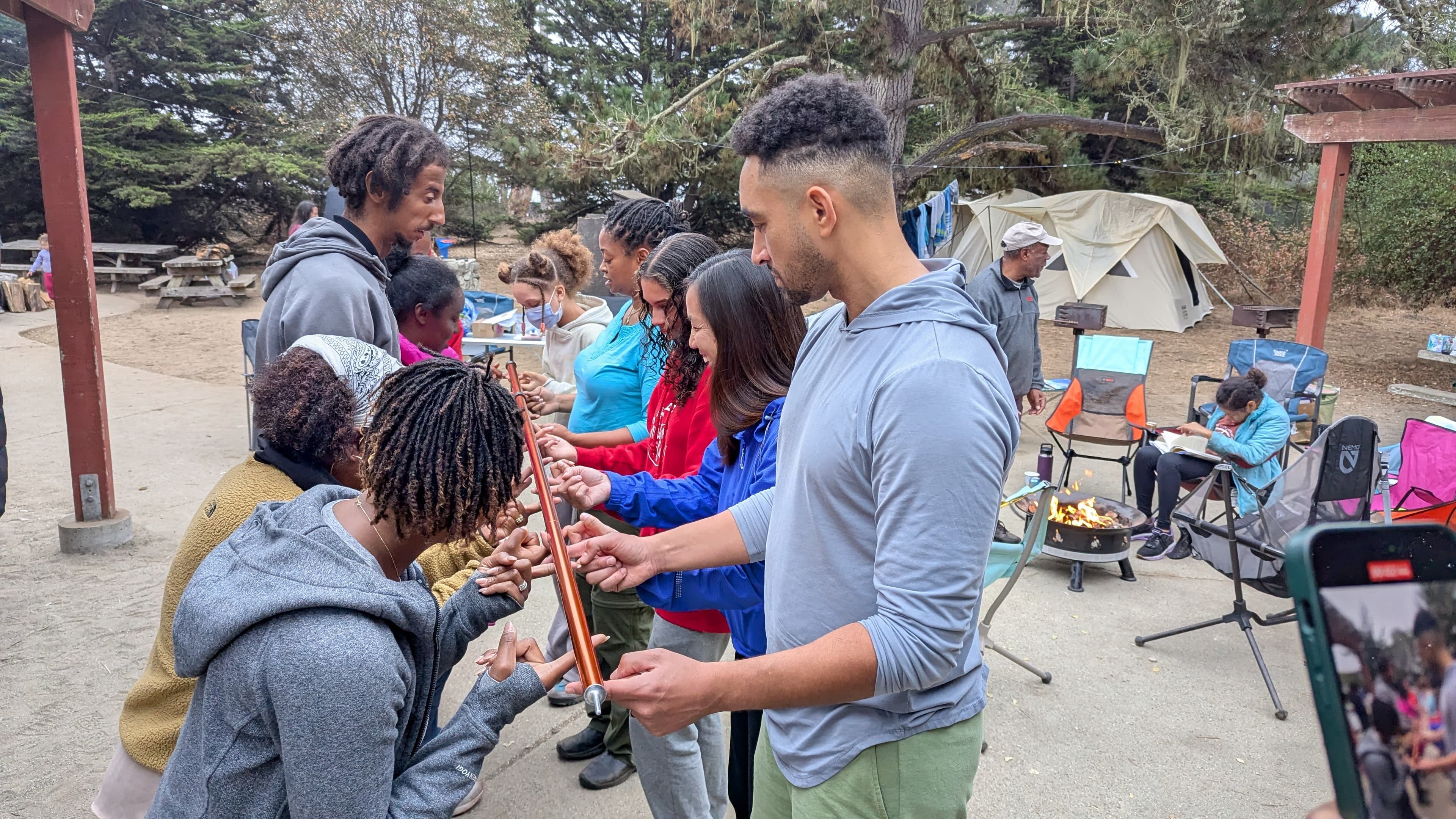
Building trust together
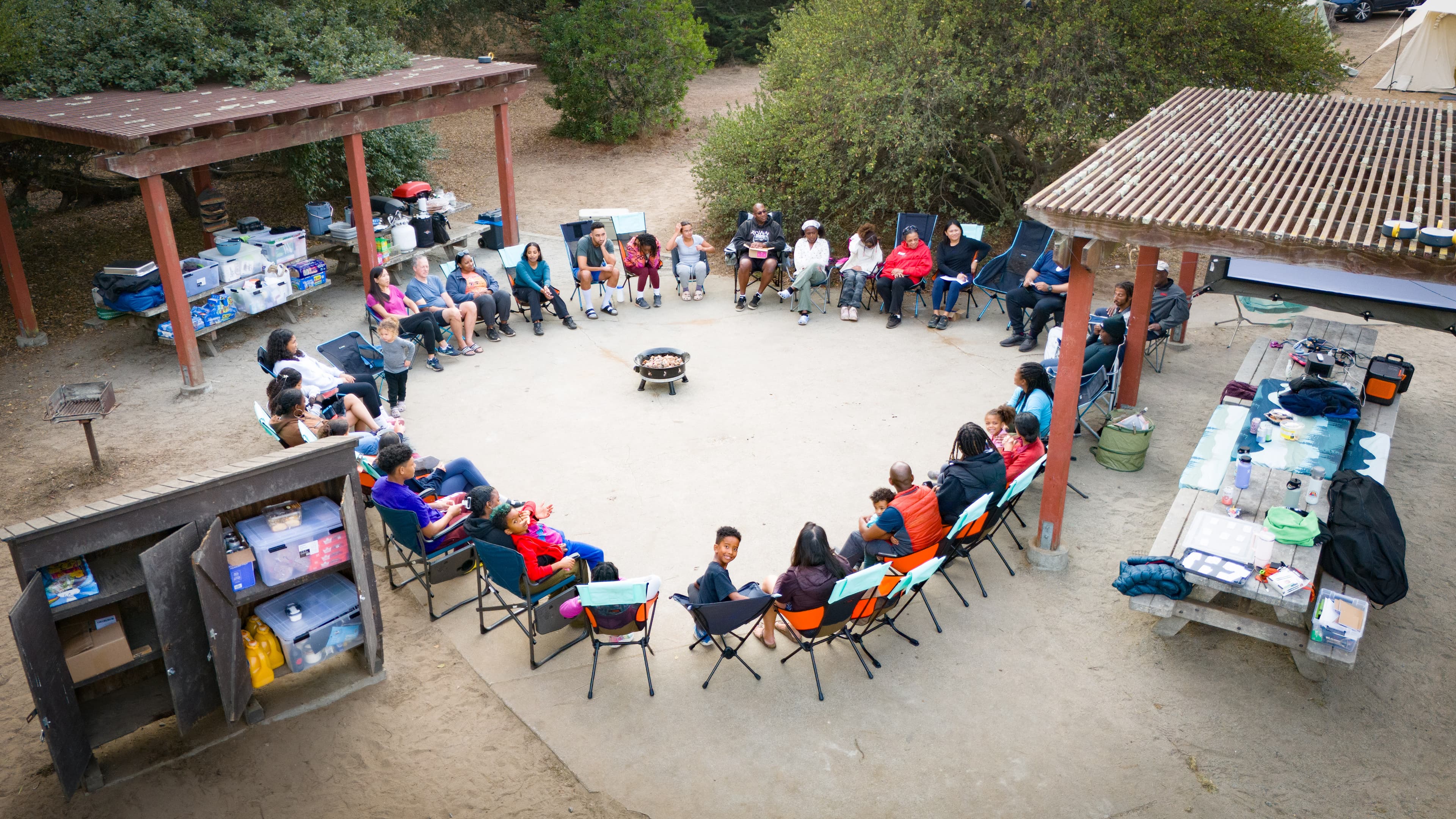
Gathering across generations
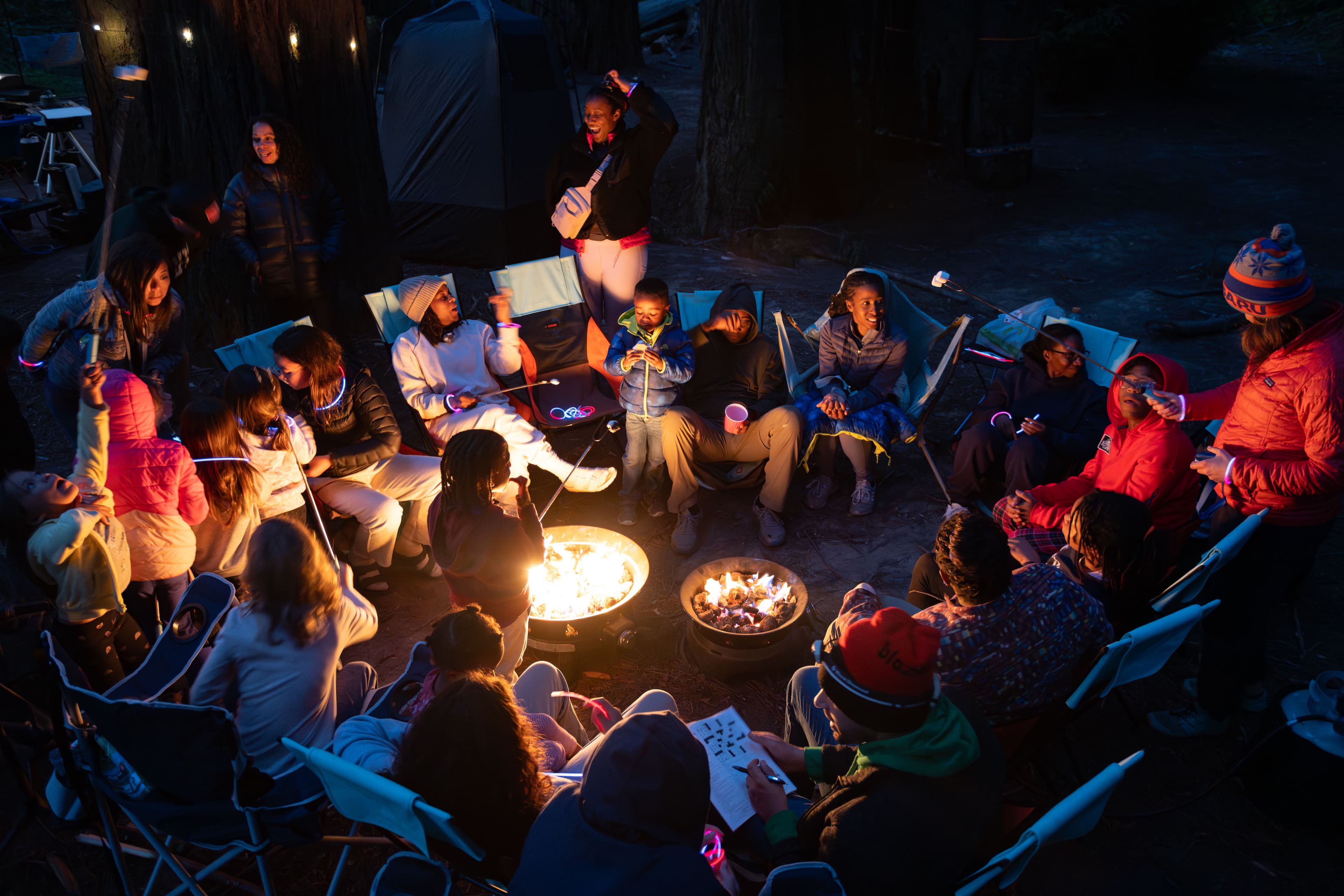
Stories by firelight
"In the past, I have not felt welcome or safe in National Parks... Outdoorithm has changed that for me and my family. During our first trip, we slept in the tent & I went to sleep to the sound of the ocean. It was the most restorative sleep I have had in years."
— Valencia Miller
"There are very few times as a Black man that I feel comfortable in the woods. Being able to feel safe camping changes the narrative that being in the woods is not something 'that Black people do.'"
— Carl
The Access Gap
The families carrying the heaviest burden of disconnection are the same families who've been told the outdoors isn't for them
Communities of color are three times more likely to live in nature-deprived areas
Who Visits Public Lands
despite making up only 63% of the population
young men report having no close friends
Even when these families want to go, the system makes it nearly impossible. Campground reservations open six months in advance at a specific time. Everything books within minutes. You need insider knowledge of which sites fit your family, how to monitor cancellations, and which alternative systems exist. Experienced campers have built this knowledge over years.
A family that's never camped before has none of it. They look once, see everything booked, and walk away. The system didn't reject them explicitly. It just wasn't built for them.
The Evidence
Research confirms what families in our community already know: nature heals, and public spaces strengthen communities.
Parks Build Trust in Government
People near public parks report 29% greater satisfaction with local government, fostering civic engagement.
Parks Build Cross-Class Friendships
Residents near quality parks are 26% more likely to form friendships across socio-economic divides.
Park Prescriptions Are Spreading
Physicians increasingly prescribe time in nature because it reduces cortisol, treats anxiety and depression, and improves cardiovascular health. Nature is medicine. Public lands are the pharmacy.
Civic Infrastructure Reduces Inequality
Leading scholars argue that reducing inequality starts with "equality of social relations": dignity, status, and mutual recognition. Public spaces that bring people together are essential civic infrastructure.
Where Families Come Alive

Nature Is Medicine
Time in nature reduces cortisol, treats anxiety and depression, and improves cardiovascular health. Park prescription programs are spreading because physicians recognize what research has shown for decades: nature is medicine, and it's free.

They Belong to All of Us
Public lands are already built, already funded, and distributed across the nation. They are medicine sitting on 640 million acres. And they systematically fail to reach the families who need them most.

They Combat the Loneliness Epidemic
The Surgeon General has declared loneliness an epidemic with mortality effects equivalent to smoking 15 cigarettes a day. Public land camping combats isolation through the experience of being in your body, on the ground, with other people, under an open sky.

They Build Cross-Community Belonging
Unlike curated private experiences, public campgrounds naturally bring together people from different backgrounds. Multi-day immersion creates real relationships across divides that no other public space can replicate.
Nature Is Medicine
Time in nature reduces cortisol, treats anxiety and depression, and improves cardiovascular health. Park prescription programs are spreading because physicians recognize what research has shown for decades: nature is medicine, and it's free.
They Belong to All of Us
Public lands are already built, already funded, and distributed across the nation. They are medicine sitting on 640 million acres. And they systematically fail to reach the families who need them most.
They Combat the Loneliness Epidemic
The Surgeon General has declared loneliness an epidemic with mortality effects equivalent to smoking 15 cigarettes a day. Public land camping combats isolation through the experience of being in your body, on the ground, with other people, under an open sky.
They Build Cross-Community Belonging
Unlike curated private experiences, public campgrounds naturally bring together people from different backgrounds. Multi-day immersion creates real relationships across divides that no other public space can replicate.
Nature Is Medicine
Time in nature reduces cortisol, treats anxiety and depression, and improves cardiovascular health. Park prescription programs are spreading because physicians recognize what research has shown for decades: nature is medicine, and it's free.
They Belong to All of Us
Public lands are already built, already funded, and distributed across the nation. They are medicine sitting on 640 million acres. And they systematically fail to reach the families who need them most.
They Combat the Loneliness Epidemic
The Surgeon General has declared loneliness an epidemic with mortality effects equivalent to smoking 15 cigarettes a day. Public land camping combats isolation through the experience of being in your body, on the ground, with other people, under an open sky.
They Build Cross-Community Belonging
Unlike curated private experiences, public campgrounds naturally bring together people from different backgrounds. Multi-day immersion creates real relationships across divides that no other public space can replicate.
The Equity Imperative
Access to nature should not be determined by race, income, or zip code
A History of Exclusion
The outdoor recreation gap didn't happen by accident. For much of American history, public lands were explicitly segregated. National parks were built on stolen Indigenous land, and Jim Crow laws barred Black families from campgrounds, beaches, and trails. Even after legal segregation ended, decades of redlining concentrated communities of color in neighborhoods far from parks and green spaces. The result: entire generations grew up without the family traditions, gear knowledge, or sense of belonging that makes outdoor recreation feel natural.
Today, the barriers are different but no less real. Campground reservation systems favor people with flexible schedules and fast internet. Gear costs hundreds of dollars. Trip planning requires insider knowledge about water sources, fire regulations, wildlife protocols, and weather patterns. And perhaps most importantly, when you've never seen anyone who looks like you at a campground, the message is clear: this place wasn't made for you.
Environmental Justice Is Health Justice
Low-income communities and communities of color experience disproportionately higher rates of asthma, heart disease, anxiety, and depression — the very conditions that nature access helps prevent and treat. When we talk about outdoor equity, we're not talking about recreation. We're talking about closing a health gap that costs lives.
Children Deserve Wild Places
Research from the Children & Nature Network shows that regular nature exposure improves attention, reduces behavioral problems, and builds resilience in children. These benefits are strongest for kids from under-resourced backgrounds — yet those are precisely the children least likely to have access. Every child deserves the chance to sleep under stars, splash in a creek, and feel the confidence that comes from navigating the natural world.
How Outdoorithm Closes the Gap
We don't just talk about access — we build it, trip by trip
Free Gear Library
Tents, sleeping bags, camp stoves, headlamps — we provide everything a family needs. No one should have to spend $500 to find out if they like camping.
We Handle Everything
Reservations, meal planning, route logistics, group camping permits — we take care of the entire planning process so families can focus on showing up.
Group Camping Model
Camping in a group of families changes everything. There's always someone to help set up a tent, watch kids while you cook, or share a headlamp. Nobody solos.
Beginner-Friendly Trips
Every trip is designed for families who have never camped before. No experience required. No judgment. We meet you exactly where you are.
Free Membership
We're a nonprofit. Membership is free. Trip costs cover only food and campsite fees — typically $30-50 per family for an entire weekend in nature.
California's Best Parks
Pinnacles, Kings Canyon, Lassen Volcanic, Big Sur, Lake Tahoe — we take families to the parks they've heard of but never thought they could visit.
Public Lands Belong to Everyone
The solution to loneliness, disconnection, and health inequity is already built, already funded, and waiting. Outdoorithm Collective exists to make sure every family can access it. Join us on our next trip — we'll bring the gear, handle the planning, and save you a spot by the campfire.